
JUMP TO CONTENT

Meet an Apprentice Co-ordinator: Supporting Apprentices at a Power Station

Read time: 10 minutes

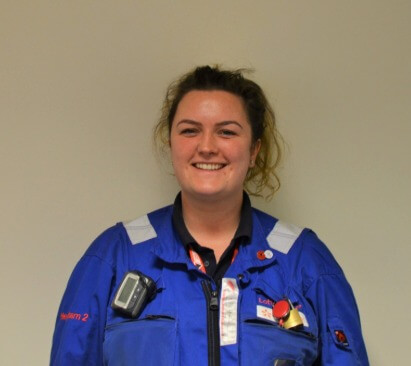
What helps an apprentice succeed at a power station? It's not just the training they receive, but the support they have along the way. Meet Lottie, an Apprentice Co-ordinator at Heysham 2, and discover how she helps apprentices build skills, confidence, and a future they can be proud of. 

As Apprentice Co-ordinator at Heysham 2 power station, I'm responsible for supporting our Engineering Maintenance Apprentices throughout their four-year training programme. From helping them settle into life on site to monitoring their progress and development, my role is to ensure they have the support, skills, and opportunities they need for a successful career as a Maintenance Technician. 

A big part of my role is getting to know each apprentice and supporting them throughout their journey. I regularly catch up with them to see how they're progressing, celebrate their achievements, and help them overcome any challenges they may face. Along the way, I work closely with managers, mentors, and training providers to make sure every apprentice is developing the skills, knowledge, and behaviours needed for their future career. 

I also organise inductions, reviews, and development activities, helping apprentices make the most of the opportunities available to them. Whether they're preparing for an important assessment, building confidence in a new skill, or exploring their future career options, I'm there to offer guidance and support. I also enjoy helping to recruit new apprentices, from meeting potential candidates at events and assessment centres to welcoming new cohorts as they begin their own apprenticeship journey at Heysham 2. 

What can apprentices expect during their first few weeks on station? 

After spending the first two years of their apprenticeship at college, apprentices join the power station for the final two years of their training programme. This is an exciting milestone, as it's where they begin putting their learning into practice in a real operational environment. 

Their first few weeks are focused on helping them settle in safely and confidently. Apprentices complete site-specific training to familiarise themselves with the station's safety standards, procedures, and ways of working, ensuring they're fully prepared for life on site. 

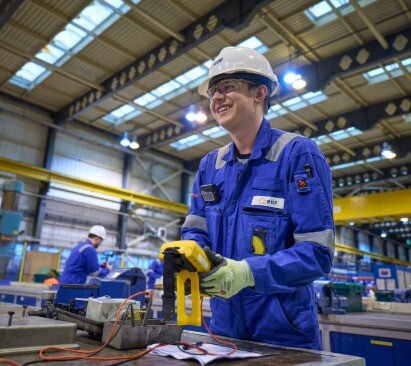
Following this, apprentices join the maintenance team that aligns with their chosen trade. Working alongside experienced technicians and mentors, they start applying the technical knowledge and practical skills they've developed at college to real maintenance activities across the station and the role of Maintenance Technician. 

From regular maintenance to supporting more complex work on plant and equipment, every day presents new opportunities to learn. As they gain hands-on experience, apprentices build their technical competence, confidence, and understanding of how the station operates, all while being supported by skilled colleagues who are invested in their development and success. 

How soon do apprentices settle into life on station? 

Most apprentices settle into life on station very quickly. From day one, they're welcomed into supportive maintenance teams who are keen to help them learn, develop, and feel part of the team. 

One of the things that makes the transition easier is the strong apprentice community on site. Many teams include apprentices from earlier year groups who have recently been through the same experience themselves. They're always happy to share advice, answer questions, and help new starters build confidence as they find their feet. 

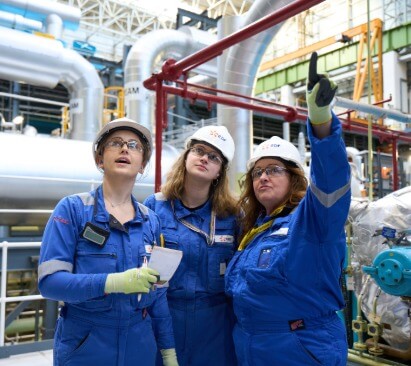
With support from experienced technicians, mentors, and fellow apprentices, new apprentices soon become familiar with the working environment, build strong relationships, and gain the confidence to contribute. Before long, they're not just learning from the team around them, they're becoming a valued part of it. 

What surprises apprentices most when they start? 

Apprentices are often surprised by the variety of work carried out on station and the level of responsibility they’re given as they progress. They get the opportunity to see how the skills they’ve learned at college are applied in a real working environment and how important their role is in supporting the safe and reliable operation of the station. 

They're often also surprised by the level of trust they're given as they develop. From an early stage, apprentices can apply the knowledge and practical skills they've gained at college in a real working environment, working alongside experienced technicians on meaningful tasks that contribute to the station's success. 

“For many, it's the moment they realise the impact of their work. They see first-hand how their role supports the safe and reliable generation of electricity, giving them a strong sense of purpose and achievement as they progress through their apprenticeship.” 

How do you support apprentices when they're finding something difficult? 

We understand that everyone learns at their own pace, and it's completely normal for apprentices to face challenges as they develop new skills and gain experience. That's why support is always available whenever it's needed. 

If an apprentice is struggling with something technical, they can turn to their mentor, experienced colleagues, or me, for guidance. We take the time to understand what's causing the difficulty and provide the right support, whether that's additional coaching, practical advice, or extra training to help build confidence and competence. 

Supporting apprentices isn't just about technical development, though. We also place a strong emphasis on health, wellbeing, and creating a positive experience throughout the programme. Apprentices have access to a range of wellbeing resources, including our Occupational Health team, should they need additional support with personal or health-related challenges. 

Regular check-ins with managers, mentors, and I, help us understand how apprentices are getting on and identify any concerns early. Most importantly, we want apprentices to feel comfortable asking questions and seeking help whenever they need it. Nobody is expected to know everything from day one, and we're all invested in helping them learn, grow, and succeed throughout their apprenticeship journey. 

Can you share a success story from an apprentice you've supported? 

One apprentice who stands out is Adam. Throughout his apprenticeship, he consistently demonstrated exceptional commitment, professionalism, and enthusiasm, always looking for opportunities to develop his skills and make a positive contribution to the team. His dedication, work ethic, and willingness to learn quickly earned the respect of colleagues across the station. 

Adam's achievements were recognised when he was named 'Overall Apprentice of the Year' across the EDF fleet, a fantastic accomplishment that reflected the high standard of work he delivered throughout his apprenticeship. His success didn't stop there. He was also nominated for a 'Power Industry Award', recognising the impact he had made not only within EDF but across the wider industry. 

One of the highlights of Adam's apprenticeship journey was being invited to No.10 Downing Street, where he had the opportunity to meet and speak with the Prime Minister. It was an incredible recognition of everything he had achieved and a proud moment for everyone who had supported him along the way. 

“What makes Adam's story so inspiring is how it demonstrates what's possible when apprentices fully embrace the opportunities available to them. Watching him grow in confidence, develop his skills and gain recognition at such a high level has been incredibly rewarding, and he's a great example of what apprentices can achieve through hard work, commitment and a positive attitude.”

What are the biggest misconceptions people have about apprenticeships? 

One of the biggest misunderstandings about apprenticeships is that they're only suited to people who prefer practical work over academic study. In reality, today's apprenticeships combine hands-on experience with structured learning, and require apprentices to develop strong technical knowledge, problem-solving abilities, and professional skills. Apprentices are constantly learning, whether that's in the classroom, through independent study, or on the job. 

Another common myth is that apprentices spend most of their time carrying out basic tasks. The reality is very different. From an early stage, apprentices are trusted to contribute to meaningful work, applying their learning in real situations while being supported by experienced colleagues. They play an important role within the team, gaining valuable experience and responsibility as their confidence and competence grow. 

People are often surprised by the range of career opportunities an apprenticeship can open up. An apprenticeship isn't just a first job; it's the start of a long-term career.  

“Many former apprentices go on to become highly skilled technicians, specialists, managers and leaders, while others continue to develop their qualifications through higher-level apprenticeships and further education.” 

For me, one of the greatest strengths of an apprenticeship is that it allows you to earn, learn, and build real-world experience at the same time. It's a route that can lead to an incredibly rewarding and successful career. 

What's the one piece of advice you'd give to someone who's not sure whether an apprenticeship is right for them? 

My advice would be to keep an open mind and explore all your options before making a decision. Apprenticeships offer a unique opportunity to earn a salary, gain recognised qualifications, and build valuable real-world experience all at the same time. 

If you enjoy learning, solving problems, and developing practical skills, an apprenticeship could be an excellent fit. You'll be working alongside experienced professionals from day one, building your confidence, and applying what you learn in a real working environment rather than just studying in a classroom. 

An apprenticeship is much more than a route into your first job. It's a chance to develop skills, gain experience, and build a strong foundation for your future career. For many people, it's a rewarding way to discover what they're capable of while opening the door to opportunities they may never have considered. 

What qualities make an apprentice successful? 

Successful apprentices don't need to have all the answers from day one. In fact, the apprentices who thrive are often those who arrive with a positive attitude, a willingness to learn, and a genuine enthusiasm for developing new skills and experiences. 

Being reliable, turning up ready to learn, and taking ownership of your development, are all important. The apprentices who make the most progress are usually the ones who ask questions, seek feedback, and embrace opportunities to learn from the experienced people around them. Showing curiosity and a desire to improve can take you a long way. 

In a power station environment, a strong commitment to safety is essential, along with good communication skills and the ability to work effectively as part of a team. It's also important to be resilient and open to new challenges. There will be times when you're pushed outside your comfort zone, but that's often where the biggest learning happens. 

More than anything, successful apprentices are those who are prepared to get involved, stay motivated, and make the most of the opportunities in front of them. If you're willing to learn, work hard, and keep developing, an apprenticeship can be the start of a rewarding and successful career. 

What happens after an apprentice finishes their formal training programme? 

Successfully completing an apprenticeship is a significant achievement, but it's just the beginning of a rewarding career. For many of our Engineering Maintenance Apprentices, the next step is progressing into a qualified Maintenance Technician role, where they can apply everything they've learned while continuing to develop their skills and experience. 

Learning doesn't stop once the apprenticeship ends. As technicians, they'll continue to build their knowledge through hands-on experience, technical training, and professional development opportunities. The nuclear industry is constantly evolving, and continuous learning is an important part of ensuring our people remain skilled, confident, and ready for new challenges. 

There are also a wide range of career paths to explore. Some people choose to deepen their technical expertise and become specialists in their field, while others move into supervisory, leadership, or project-based roles. Many continue their development through further qualifications and training, opening up even more opportunities across the business. 

One of the great things about an apprenticeship is that it provides a strong foundation for the future. The skills, knowledge, and experience gained during the programme can lead to a variety of rewarding career opportunities, helping apprentices build long-term careers within the energy industry. 

What’s the most rewarding part of being an Apprentice Co-ordinator? 

The most rewarding part of being an Apprentice Co-ordinator is watching apprentices grow throughout their journey - seeing someone arrive on station at the start of their apprenticeship and develop to become a valued member of their team.  

Equally fulfilling is being able to support them along the way, whether that’s helping them find solutions when things are difficult, offering advice, or playing a small part in helping them get there.  

Watching the next generation of technicians develop and knowing they'll play an important role in the future success of the station is one of the most rewarding parts of my job. Seeing apprentices grow from being nervous and unsure of what to expect when they first arrive on site to becoming confident, skilled and knowledgeable members of the team is incredibly fulfilling. 

Whether you're exploring your options after school or helping someone choose their next step, an Engineering Maintenance Apprenticeship offers the chance to gain qualifications, develop sought-after skills and build a rewarding long-term career. 

Posted byLucie Metcalf
List #1

Related articles

Apprentice Spotlight: Ella-Louise

Teaser

Apprenticeships

Content Type

Employee Stories

Publish date

11/02/26

Summary

Discover Ella-Louise’s apprenticeship journey as an  Engineering Maintenance Technician at EDF’s Heysham 1 power station. From an open evening to hands-on experience, her story reflects the blen

Teaser

Read more
Apprentice Spotlight: Amy

Teaser

Apprenticeships

Content Type

Employee Stories

Publish date

03/02/26

Summary

Explore Amy’s journey as an Engineering Maintenance Technician Apprentice at EDF’s Heysham 2 power station. What inspired you to apply for this apprenticeship with EDF? I applied a

Teaser

Read more
Apprentice Spotlight: Suria

Teaser

Apprenticeships

Content Type

Employee Stories

Publish date

23/01/26

Summary

Meet Suria, an Engineering Maintenance Technician Apprentice who’s building her career through hands-on learning and the guidance of skilled technicians at EDF’s Heysham 2 power station.

Teaser

Read more
Apprentice Spotlight: Joe

Teaser

Apprenticeships

Content Type

Employee Stories

Publish date

14/01/26

Summary

Read about Joe, an Engineering Maintenance Technician Apprentice at EDF’s Heysham 2 power station, and how he helps keep the site running safely and smoothly every day. What motiva

Teaser

Read more
Training as an EDF power solutions apprentice: the first six months

Teaser

Early Careers

Content Type

Employee Stories

Publish date

21/01/25

Summary

We welcomed eight new apprentices onto our Wind Turbine Technician apprenticeship scheme in September. They’ll spend 18 months learning the theoretical side of the role at Tyne Metropolitan College in

Teaser

Read more
Early Careers: Guide to your Assessment Centre and Interview

Teaser

Early Careers

Content Type

Articles

Publish date

15/01/25

Summary

The final stages of the recruitment process will vary, depending on the programme you've applied for. Here’s what you can expect:  Graduates and Apprentices: You’ll attend an assessment centre, whi

Teaser

Read more
Early Careers: Guide to your Video Interview

Teaser

Early Careers

Content Type

Articles

Publish date

15/01/25

Summary

The video interview is a great opportunity for us to get to know you better and for you to get a feel for the role you’ve applied for. This is a one-way interview with scenario-based questions desi

Teaser

Read more
Early Careers: Guide to your Online Assessment

Teaser

Early Careers

Content Type

Articles

Publish date

15/01/25

Summary

Submitted your application? If successful, the next step is the Online Assessment. The Online Assessment is an engaging and interactive way to showcase your unique behaviours while giving us a ch

Teaser

Read more
Completing a Resourcing placement with EDF

Teaser

Industrial Placements

Content Type

Employee Stories

Publish date

03/01/25

Summary

Duwane joined EDF in September 2022 to complete a 12-month placement with our HR Resourcing team. We spoke with Duwane about what attracted him to choose EDF and how this opportunity will supp

Teaser

Read more
Completing a Creative Content placement with EDF

Teaser

Industrial Placements

Content Type

Employee Stories

Publish date

03/01/25

Summary

James joined EDF in September 2022 to complete a 12-month placement with our Creative Content team. We asked James to share what insights the placement is offering into the world of work and h

Teaser

Read more
Search

Browse Jobs